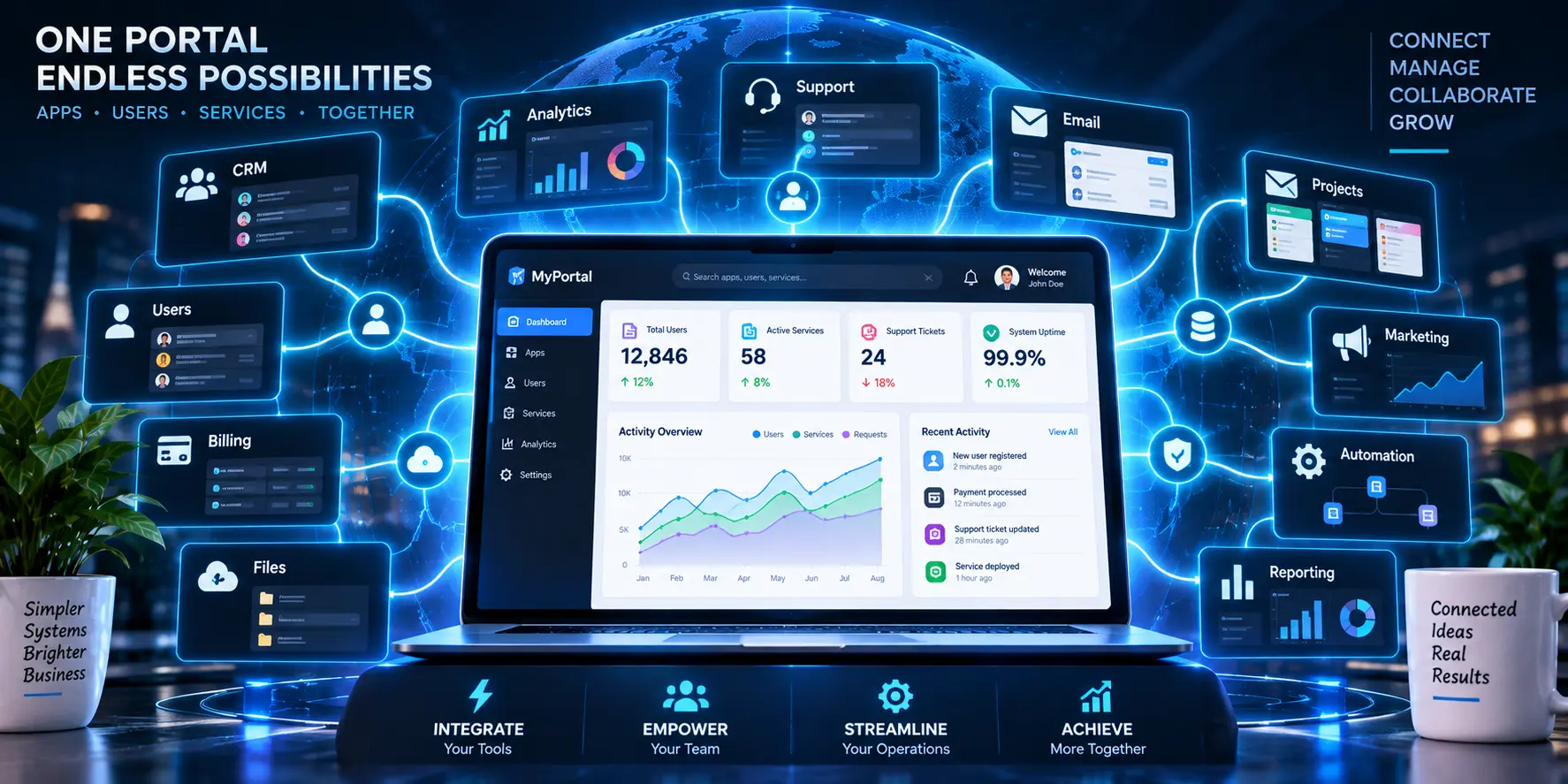
Technology has become an essential part of modern civilization, influencing almost every aspect of human life. It has changed the way people communicate, work, learn, serviços terceirizados, and solve problems. From simple inventions created thousands of years ago to advanced artificial intelligence systems, technology represents human creativity and the continuous search for better solutions.
In the modern digital era, technology is developing faster than ever before. Innovations such as artificial intelligence, cloud computing, robotics, and smart devices are transforming industries and creating new possibilities. Technology is no longer just a tool; it has become a powerful force that shapes economies, societies, and the future of humanity.
What Is Technology?
Technology is the application of scientific knowledge, skills, and techniques to create tools, machines, systems, and processes that solve problems and improve human activities. It combines research, creativity, and engineering to develop useful solutions.
Technology includes many different areas, such as:
- Information technology
- Communication technology
- Medical technology
- Industrial technology
- Environmental technology
- Artificial intelligence
- Robotics
- Digital systems
The main purpose of technology is to make tasks easier, improve efficiency, increase productivity, and enhance the quality of life.
The Evolution of Technology
Technology has evolved throughout human history, with each period introducing new inventions and improvements.
Early Human Technology
The earliest technologies were created to help humans survive and adapt to their surroundings. Early inventions included:
- Stone tools
- Fire control methods
- Farming equipment
- The wheel
- Basic construction techniques
These developments allowed humans to improve food production, transportation, and communication.
The Industrial Revolution
The Industrial Revolution introduced machines that transformed manufacturing and transportation. Factories began using mechanical systems, which increased production and changed the global economy.
Important inventions included:
- Steam engines
- Mechanical factories
- Electricity
- Railways
- Manufacturing machines
This period marked the beginning of large-scale industrial technology.
The Digital Revolution
The development of computers and the internet created a new technological era. Digital systems allowed people to store, process, and share information more quickly.
Major digital innovations include:
- Personal computers
- Smartphones
- Internet services
- Online platforms
- Cloud technologies
The digital revolution connected people worldwide and changed modern lifestyles.
Types of Modern Technology
Information Technology (IT)
Information Technology focuses on managing digital information using computers, networks, and software.
IT helps organizations:
- Store and process data
- Manage communication systems
- Develop software solutions
- Improve business operations
- Protect digital information
Almost every industry depends on IT systems today.
Artificial Intelligence (AI)
Artificial Intelligence is one of the most important technological advancements of the modern era. AI enables machines to perform tasks that usually require human intelligence.
AI can:
- Analyze large amounts of data
- Recognize patterns
- Understand languages
- Make predictions
- Automate decisions
Examples of AI applications include:
- Virtual assistants
- Smart search engines
- Recommendation systems
- Medical diagnosis tools
- Self-driving technologies
AI continues to transform healthcare, business, education, and many other fields.
Machine Learning
Machine learning is a part of artificial intelligence that allows computers to learn from experience and improve their performance.
Machine learning is used in:
- Fraud detection
- Customer recommendations
- Data analysis
- Speech recognition
- Scientific research
It helps organizations make better decisions using information and patterns.
Cloud Computing
Cloud computing allows users to access digital resources through internet-based services.
Cloud technology provides:
- Online storage
- Remote software access
- Data backup
- Collaboration tools
- Flexible computing resources
Businesses use cloud computing to improve efficiency and support remote operations.
Internet of Things (IoT)
The Internet of Things connects everyday objects to the internet, allowing devices to collect and exchange data.
Examples of IoT technology include:
- Smart home systems
- Smart watches
- Connected vehicles
- Industrial sensors
- Smart farming tools
IoT creates more intelligent environments by enabling automation and real-time monitoring.
Robotics
Robotics combines engineering, programming, and artificial intelligence to create machines that can perform tasks automatically.
Robots are commonly used in:
- Manufacturing
- Healthcare
- Agriculture
- Warehousing
- Space exploration
Robotics improves accuracy, productivity, and safety in many industries.
Technology in Everyday Life
Technology affects almost every part of daily life.
Communication
Modern technology has completely transformed communication methods.
People now use:
- Smartphones
- Video calls
- Social media
- Messaging applications
These tools allow instant communication across the world.
Education
Technology has changed how people learn and access information.
Digital education provides:
- Online classes
- Virtual classrooms
- Digital books
- Learning applications
- Educational videos
Students can learn from anywhere and access unlimited resources.
Healthcare
Technology has improved healthcare services and medical research.
Modern healthcare technologies include:
- Telemedicine
- Robotic surgery
- AI-assisted diagnosis
- Electronic health records
- Wearable health devices
These innovations help doctors provide faster and more effective treatment.
Transportation
Transportation technology continues to improve speed, safety, and efficiency.
Examples include:
- Electric vehicles
- GPS systems
- Autonomous cars
- Smart traffic management
- High-speed trains
Technology is helping create cleaner and smarter transportation systems.
Technology in Business
Businesses use technology to increase efficiency and compete in global markets.
Technology helps companies with:
- Online marketing
- E-commerce
- Customer service
- Data analysis
- Automation
- Remote work
Digital transformation allows businesses to improve productivity and provide better customer experiences.
Cybersecurity and Technology Protection
As digital systems become more common, cybersecurity has become extremely important.
Cybersecurity protects against:
- Hacking
- Malware
- Data theft
- Online fraud
- Ransomware attacks
Important security methods include:
- Encryption
- Strong passwords
- Multi-factor authentication
- Regular software updates
- Security monitoring
Protecting digital information is necessary for a safe technological environment.
Emerging Technologies
Blockchain Technology
Blockchain is a secure digital system that stores information in a decentralized way.
Applications include:
- Digital payments
- Supply chain tracking
- Smart contracts
- Identity verification
Blockchain improves transparency and security in digital transactions.
Quantum Computing
Quantum computing is an advanced technology that uses quantum principles to process information.
Potential applications include:
- Scientific research
- Drug development
- Climate analysis
- Complex calculations
- Advanced cybersecurity
Quantum computing may solve problems that traditional computers cannot handle efficiently.
Augmented Reality and Virtual Reality
Augmented Reality (AR) and Virtual Reality (VR) create interactive digital experiences.
AR and VR are used in:
- Gaming
- Education
- Healthcare training
- Architecture
- Business presentations
These technologies provide new ways to learn, work, and experience digital environments.
Green Technology
Green technology focuses on creating environmentally friendly solutions.
Examples include:
- Solar energy
- Wind power
- Electric vehicles
- Energy-efficient buildings
- Smart energy systems
Green technology helps reduce environmental damage and supports sustainability.
Benefits of Technology
Technology provides many advantages to individuals and society.
Increased Productivity
Technology helps people complete tasks faster and more accurately.
Improved Communication
Digital tools allow people to connect instantly worldwide.
Better Healthcare
Medical technologies improve diagnosis, treatment, and patient care.
Greater Access to Knowledge
The internet provides unlimited educational and professional resources.
Economic Development
Technology creates new industries, businesses, and employment opportunities.
Improved Convenience
Smart devices and digital services make daily activities easier.
Challenges of Technology
Despite its benefits, technology also creates several challenges.
Privacy Concerns
The collection of personal information creates concerns about data protection.
Cybersecurity Risks
Digital systems can become targets for cybercriminals.
Digital Inequality
Many people still lack access to modern technology and reliable internet.
Employment Changes
Automation may replace some jobs while creating new technology-based careers.
Ethical Issues
Technology creates important questions about:
- Artificial intelligence decisions
- Data ownership
- Online responsibility
- Human control over machines
Responsible development is necessary to manage these challenges.
The Future of Technology
The future of technology will bring continuous innovation and transformation.
Future developments may include:
- Advanced artificial intelligence
- Smart cities
- Autonomous machines
- Personalized healthcare
- Improved renewable energy
- Advanced robotics
- Human-machine interaction
These technologies will continue changing how people live and work.
The Importance of Technology Skills
Technology skills are becoming essential in modern society.
Important skills include:
- Digital literacy
- Programming
- Data management
- Cybersecurity knowledge
- Critical thinking
- Creativity
- Problem-solving
Learning technology skills helps individuals adapt to future opportunities.
Conclusion
Technology has transformed human life by improving communication, healthcare, education, business, and everyday activities. It has created new opportunities, increased efficiency, and provided solutions to complex challenges. Although technology brings concerns such as privacy risks, cybersecurity threats, and unequal access, responsible innovation can help maximize its benefits.
As technology continues to advance, it will remain one of the most powerful forces shaping the future. Understanding and using technology effectively will be essential for individuals, businesses, and societies in the digital age.