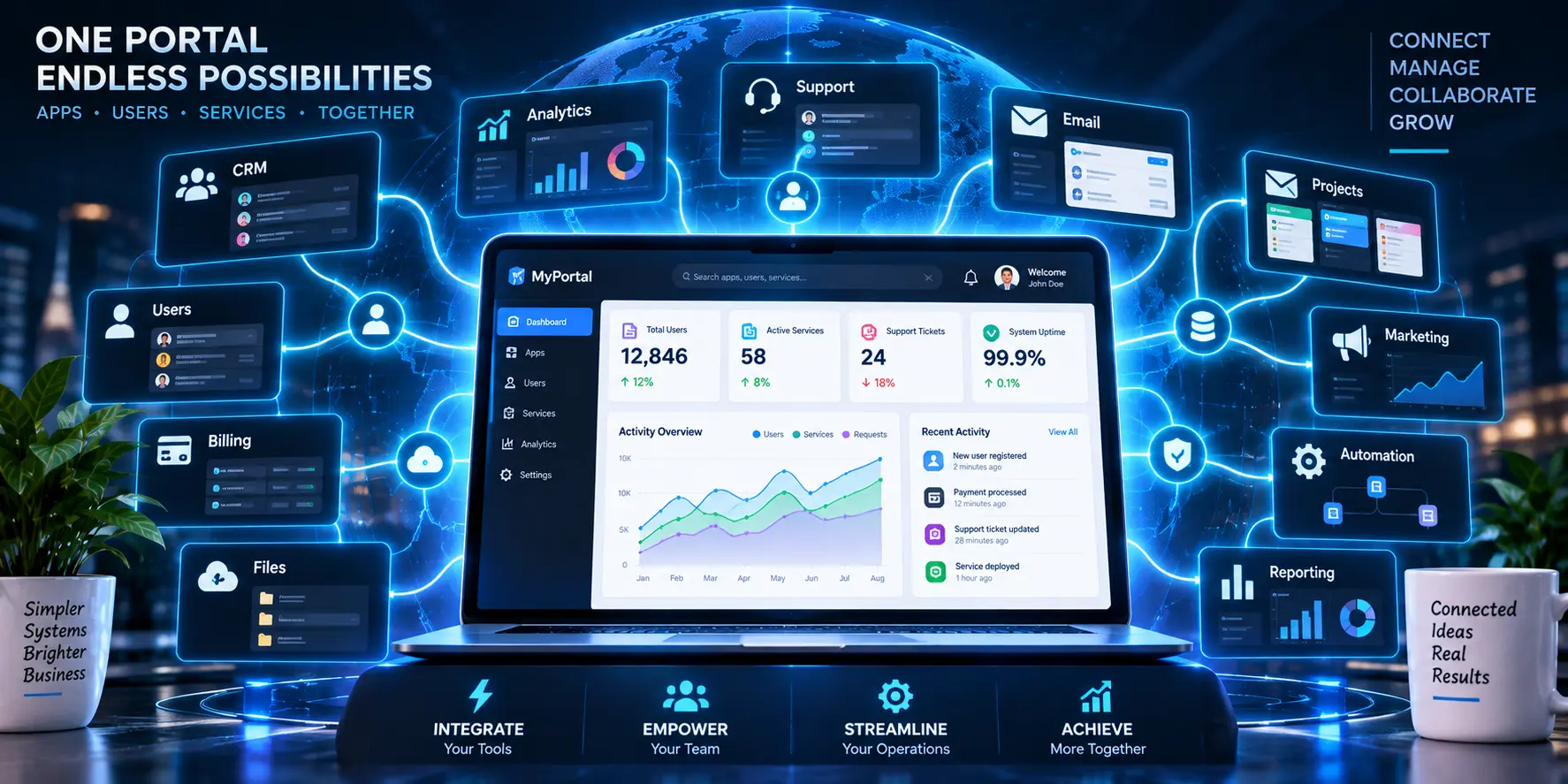
In the fast-evolving landscape of online technology, traditional websites that serve a single, isolated function are increasingly giving way to comprehensive, multi-functional digital hubs. As users demand greater convenience, faster access to diverse services, and seamless cross-platform navigation, developers and enterprise architects are rethinking how online platforms are structured. The growth of hybrid web portals highlights a major shift toward unified digital ecosystems that combine entertainment, transactional tools, and community services into a single accessible interface.
Understanding how hybrid architectures function, why users gravitate toward centralized portals, and what technologies drive these versatile platforms explains their expanding dominance across the modern internet.
Understanding Hybrid Web Architecture
Unlike legacy websites built strictly for static content viewing, hybrid web portals act as dynamic gateways. They integrate disparate backend services—such as user management dashboards, interactive media players, and secure transaction gateways—into a cohesive frontend user experience.
This integration relies heavily on modern application programming interfaces (APIs), microservices, and responsive web frameworks that allow different software modules to communicate instantly without refreshing the entire page.
Key Drivers Behind Portal Consolidation
Several technological and behavioral factors have fueled the rapid expansion of hybrid web portals across global markets:
- Unified User Profiles: Users prefer single sign-on (SSO) systems that allow them to access multiple interactive services, gaming options, and account dashboards using one secure set of credentials.
- Cross-Device Compatibility: Modern hybrid portals leverage progressive web app (PWA) standards to ensure seamless performance whether accessed via desktop browsers, tablets, or mobile smartphones.
- Enhanced Engagement Features: By merging real-time notifications, interactive entertainment sections, and community support channels, portals keep users engaged for longer sessions.
Navigating Portal Access and Digital Infrastructure
Sustaining high availability and smooth navigation across massive multi-service platforms requires robust cloud infrastructure and reliable domain routing.
When examining how advanced digital platforms organize large-scale user portals, maintain uninterrupted uptime, and structure secure entry points across distributed networks, reviewing varied technical implementations—such as studying platforms accessible via the situs toto togel 4D infrastructure portal—illustrates how digital environments coordinate complex service delivery, though underlying feature sets, content categories, and user interfaces vary widely across individual platforms.
Best Practices for Developing Scalable Web Portals
For organizations building or expanding hybrid web ecosystems, adhering to structured engineering guidelines ensures long-term stability and security:
- Prioritize Modular Design: Build backend services as independent microservices so that individual features can be updated or scaled without disrupting the entire portal.
- Optimize Load Speeds: Implement aggressive caching, content delivery networks (CDNs), and optimized asset compression to keep page rendering times minimal despite rich media integration.
- Enforce Strict Access Security: Protect user accounts with multi-factor authentication, encrypted data transmission, and automated monitoring against unauthorized login attempts.
Common Questions About Hybrid Portals
What defines a hybrid web portal compared to a standard website?
A standard website typically delivers static informational content, whereas a hybrid portal integrates multiple interactive applications, user dashboards, and diverse service modules into a single unified platform.
How do hybrid portals handle high traffic volumes?
They utilize distributed cloud hosting, load balancers, and microservice architectures to split traffic across multiple server nodes, preventing site-wide crashes during peak usage periods.
Why are single sign-on features important for portals?
Single sign-on (SSO) improves user convenience and security by allowing members to access various integrated services across the portal using just one set of login credentials.
Conclusion
The growth of hybrid web portals represents a transformative trend in digital architecture, merging diverse services and interactive entertainment into streamlined, user-friendly ecosystems. By prioritizing modular design, robust security, and seamless cross-device compatibility, modern web platforms continue to redefine how users interact with online services.